

Dermaplane Treatment Gallery
$$MultiPurposeText$$
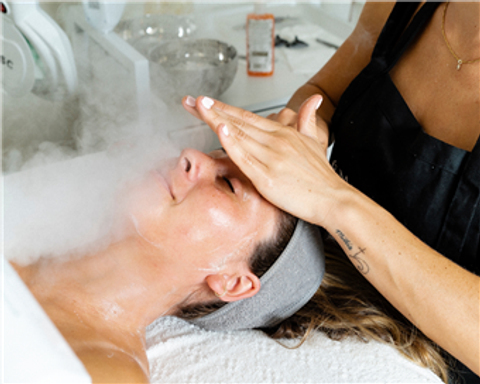
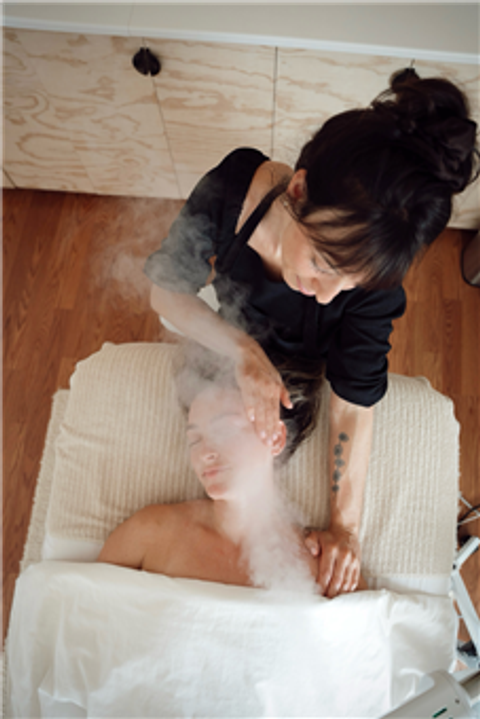
See examples of our Dermaplane Treatment work and results.













What Our Clients Say
$$MultiPurposeText$$
Read testimonials from our satisfied customers

Best facial I have ever gotten! Phoebe curates the most relaxing vibe, and my skin has nev...more

Taylor was terrific. Truly the best facial I've ever had. Highly recommend!

I have been going to Phoebe for several years. She provides the BEST facial ever. What rea...more

I have been seeing Phoebe for 2 years now and I cannot recommend her enough. My skin has d...more

I simply love facials with Phoebe at The Well! The space has a very quiet, cool vibe. It...more

I felt like was suspended in the clouds when I got this facial. Phoebe’s touch is so soft ...more

Frequently Asked Questions
Get answers to common questions about Dermaplane Treatment.
Dermaplane Treatment is generally safe for sensitive skin when performed by a licensed esthetician. We assess your skin first and avoid treatment over active breakouts, inflamed rosacea or recent strong peels. A patch assessment and gentle technique minimize irritation.
Results typically last three to six weeks depending on skin type and hair growth. Regular treatments every four to six weeks maintain smoothness; you'll notice immediate brightness and improved product absorption after one session.
Yes. Dermaplane Treatment can be added to any facial or booked alone. It's not a full facial by itself; choose the Organic Bespoke Facial with a Dermaplane add-on for a full experience. Avoid combining with aggressive peels or retinols the same day.
Dermaplane Treatment removes surface vellus hair and dead skin chemically-free, but it is not permanent hair removal. Hair regrows over weeks; the treatment does not change follicle structure. Regular maintenance keeps skin smooth, and hair typically returns softer rather than thicker.
Downtime is minimal—most clients experience light redness or tenderness for twenty-four to forty-eight hours. Avoid heavy exfoliants, retinoids, and direct sun for forty-eight to seventy-two hours, apply sunscreen and nourishing serums. Makeup can usually resume after a few hours unless sensitivity persists.
Avoid Dermaplane Treatment if you have active inflammatory acne, open lesions, cold sores, recent laser or chemical peel treatments, or if you've used oral isotretinoin within the past six to twelve months. We perform a consultation to determine eligibility and safe alternatives.